 By Tech Nexify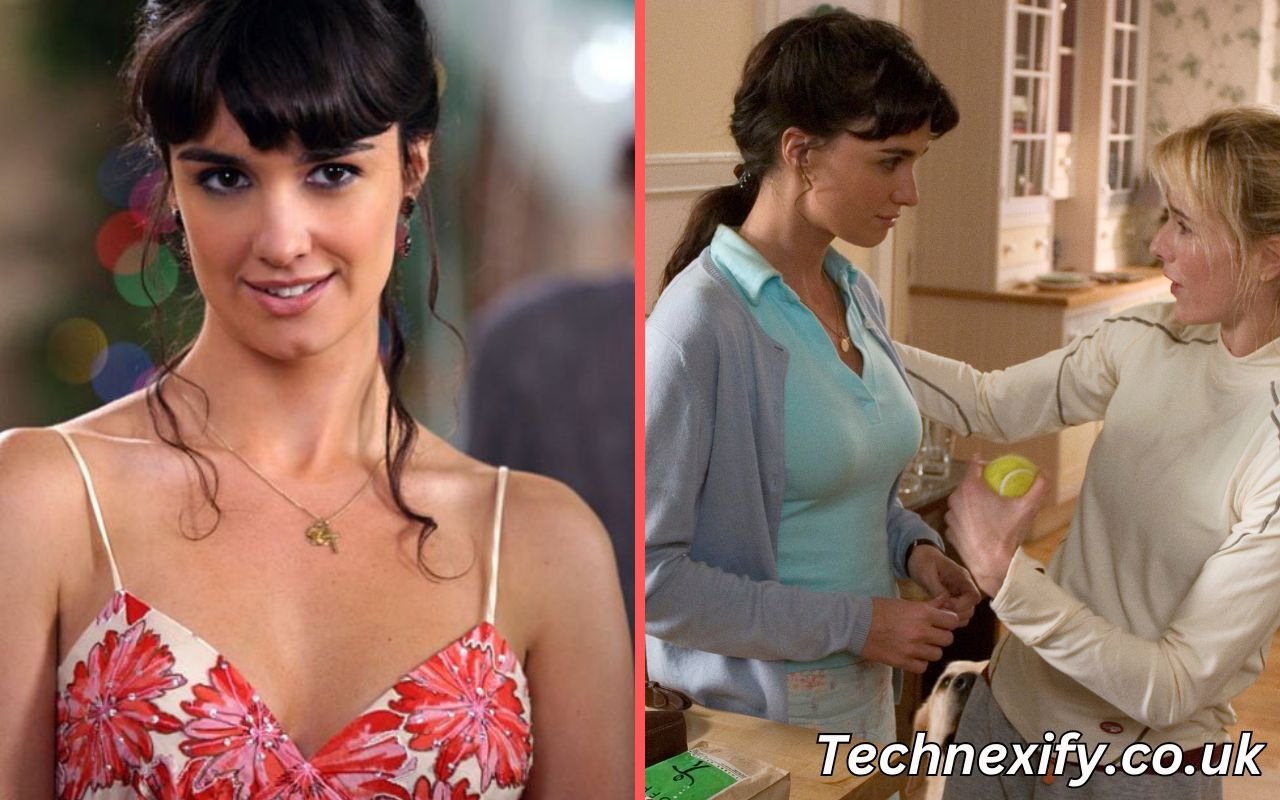
The term spanglish cast has become increasingly popular among film enthusiasts who want to learn more about the talented actors behind the emotionally rich comedy-drama Spanglish. Released in 2004 and directed by James L. Brooks, the film gained attention for its heartfelt storytelling, cultural themes, and strong performances. Even years after its release, audiences continue to search for information about the cast because the characters left a lasting impression.
One of the main reasons the film remains memorable is the natural chemistry between the actors. Every performer brought realism, emotion, and depth to their role. The film explored relationships, family struggles, language barriers, and cultural identity in a way that felt honest and relatable. The spanglish cast succeeded in making viewers emotionally connected to the story from beginning to end.
For UK audiences, the movie still feels relevant because it touches on universal themes that apply to people from many backgrounds. Immigration, parenting, personal growth, and communication are issues that continue to shape modern society. Through excellent acting and thoughtful storytelling, the cast transformed Spanglish into much more than a simple family film.
Overview of the Film Spanglish
Spanglish tells the story of Flor Moreno, a Mexican single mother who moves to Los Angeles with her daughter Cristina in search of a better future. Flor speaks limited English and begins working as a housekeeper for the wealthy Clasky family. As the two families spend more time together, emotional relationships begin to develop and cultural differences become more noticeable.
The film mixes humour with emotional drama in a balanced and intelligent way. Instead of relying on exaggerated comedy, the story focuses on realistic situations and believable human behaviour. This approach allowed the spanglish cast to deliver performances filled with emotional authenticity. Every conversation and interaction feels meaningful because the actors approached their characters seriously.
James L. Brooks designed the film around emotional realism rather than spectacle. The story develops gradually, allowing viewers to understand each character’s strengths, flaws, fears, and motivations. Because of this thoughtful storytelling style, the performances became the heart of the film and one of the biggest reasons for its long-term popularity.
Adam Sandler as John Clasky
Adam Sandler surprised many viewers with his role as John Clasky. Before Spanglish, Sandler was mostly known for loud comedy films filled with exaggerated humour. In this movie, however, he delivered a calm, mature, and emotionally layered performance that showed a completely different side of his acting ability.
John Clasky is a successful chef and devoted father who struggles to keep peace within his troubled household. He is intelligent, compassionate, and emotionally exhausted by the tension in his marriage. Sandler portrayed these emotions naturally without overacting. His quiet expressions and thoughtful dialogue delivery gave the character realism and emotional depth.
Many critics consider this role one of the strongest performances of Adam Sandler’s career. His portrayal of John demonstrated that he could handle dramatic material with skill and subtlety. The role also helped change public perception of him as an actor, proving that he was capable of much more than broad comedy.
- Calm and restrained acting style
- Strong emotional realism
- Excellent chemistry with other cast members
Paz Vega as Flor Moreno

Paz Vega played Flor Moreno, the emotional centre of the film. Her performance remains one of the most praised aspects of the spanglish cast because she brought dignity, strength, and emotional honesty to the character. Flor is a hardworking mother who wants to protect her daughter while adapting to a completely new environment.
Flor’s language barrier becomes one of the film’s most important themes. Although she struggles with English, she understands people emotionally better than many of the English-speaking characters around her. Paz Vega communicated these emotions beautifully through facial expressions, body language, and subtle reactions rather than relying heavily on dialogue.
The relationship between Flor and her daughter Cristina is especially powerful. Flor worries that her daughter may lose touch with her cultural roots as she becomes more comfortable within American society. Vega portrayed this fear with sensitivity and realism, allowing audiences to connect deeply with the character’s emotional journey.
Téa Leoni as Deborah Clasky
Téa Leoni played Deborah Clasky, one of the film’s most complex characters. Deborah is energetic, insecure, controlling, and emotionally unpredictable. Although the character can sometimes appear frustrating, Leoni’s performance added layers of vulnerability that prevented Deborah from becoming completely unlikeable.
Deborah constantly tries to control the people around her, especially her children. She places pressure on her daughter Bernice regarding appearance and social image, creating emotional tension within the family. Leoni handled these difficult scenes with confidence and emotional intensity, making the character believable despite her flaws.
The performance stands out because Téa Leoni balanced comedy and drama effectively. Some moments are humorous due to Deborah’s impulsive behaviour, while others are uncomfortable because of her emotional instability. This balance helped create a realistic portrayal of a woman struggling with insecurity and dissatisfaction in her personal life.
Shelbie Bruce as Cristina Moreno
Shelbie Bruce delivered a remarkably mature performance as Cristina Moreno. Her character exists between two cultures and two different worlds. Cristina admires the opportunities and lifestyle offered by the Clasky family, but she also deeply respects and loves her mother.
As Cristina learns English quickly and adapts to American culture, tension develops between her and Flor. Cristina enjoys the educational and social advantages she gains, while Flor fears that her daughter may slowly lose her identity and values. Bruce portrayed this emotional conflict naturally and convincingly.
Cristina also serves as the narrator of the film, reflecting on the events with intelligence and emotional insight. Her narration gives the story emotional structure and helps audiences understand the long-term impact of the experiences shown throughout the movie.
Sarah Steele as Bernice Clasky
Sarah Steele portrayed Bernice Clasky, the daughter of John and Deborah. Bernice struggles with confidence because her mother constantly criticises her appearance and body image. Steele’s performance captured the emotional vulnerability of a child trying to gain approval from a demanding parent.
The friendship between Bernice and Cristina becomes one of the most touching aspects of the story. Despite coming from very different backgrounds, the two girls form a genuine connection based on understanding and kindness. Their friendship highlights the emotional contrast between the two families.
Sarah Steele handled emotional scenes with impressive subtlety. Instead of exaggerated crying or dramatic reactions, she communicated Bernice’s feelings through quiet expressions and natural behaviour. This realistic acting style added emotional depth to the overall spanglish cast.
Cloris Leachman and Supporting Cast Members
Veteran actress Cloris Leachman played Evelyn Wright, Deborah’s mother. Although her role was smaller than the main cast members, she added warmth, humour, and emotional wisdom to the story. Evelyn often recognises the problems within the Clasky family more clearly than anyone else.
Richard Benjamin also contributed to the film as Deborah’s father. His calm and balanced personality helped explain some of Deborah’s emotional behaviour and family background. Supporting characters like these helped create a fuller and more believable family dynamic.
Even the smaller supporting roles added value to the film. Restaurant employees, neighbours, and extended family members all helped create a realistic social environment around the main story. The strong performances throughout the film demonstrate the overall quality of the spanglish cast.
- Strong supporting performances
- Realistic family interactions
- Balanced comedic and dramatic moments
Chemistry Between the Spanglish Cast
One of the biggest strengths of the film is the natural chemistry between the actors. The relationships feel believable because the cast members interact in realistic ways. Emotional tension, affection, frustration, and humour all develop naturally throughout the story.
Adam Sandler and Paz Vega shared subtle but powerful on-screen chemistry. Their relationship grows through mutual respect and emotional understanding rather than exaggerated romance. This careful development made their scenes emotionally compelling without becoming unrealistic.
The family dynamics also felt genuine because the actors understood their characters deeply. Arguments, awkward conversations, and emotional misunderstandings all seemed authentic. This realism helped audiences become emotionally invested in the characters and their personal struggles.
Cultural Themes in the Film
The film explores important cultural themes that remain relevant today. Immigration, language barriers, identity, and adaptation all play major roles within the story. The spanglish cast brought these themes to life through emotionally grounded performances rather than political statements or stereotypes.
Flor’s experience as an immigrant reflects the struggles faced by many people who move to a new country. She wants to succeed and create opportunities for her daughter, but she also wants to preserve her values and cultural identity. Paz Vega portrayed these internal conflicts with honesty and sensitivity.
Cristina’s journey represents the experience of many second-generation immigrant children who feel connected to two cultures simultaneously. She wants to embrace new opportunities while maintaining respect for her heritage. This emotional balancing act gives the story additional depth and realism.
Family Relationships in Spanglish
Family relationships form the emotional foundation of the film. Every major character struggles with communication, expectations, or emotional insecurity. These challenges make the story feel relatable because many viewers recognise similar experiences in their own lives.
John and Deborah’s marriage reflects emotional exhaustion and growing distance. Although they still care about each other, years of frustration and misunderstanding have damaged their relationship. Adam Sandler and Téa Leoni portrayed this tension realistically through subtle performances.
Flor and Cristina share a loving but complicated relationship. Flor’s protective instincts sometimes create conflict because Cristina wants independence and new experiences. The emotional honesty within their relationship became one of the strongest aspects of the movie.
James L. Brooks and His Direction
James L. Brooks is known for directing emotionally intelligent films focused on human relationships. His directing style emphasises character development and authentic performances rather than flashy visual effects or exaggerated comedy.
Brooks encouraged the spanglish cast to approach their roles naturally and emotionally. This directing approach allowed scenes to feel realistic and emotionally layered. Actors were given space to communicate feelings through silence, facial expressions, and subtle dialogue delivery.
The director also balanced humour and drama carefully throughout the film. Emotional moments never feel overly sentimental, while comedic scenes remain grounded in believable situations. This balance helped create the film’s unique emotional tone.
Why the Spanglish Cast Still Matters Today
Years after its release, the film continues to attract new viewers because its themes remain timeless. Modern audiences still connect with stories about family struggles, cultural identity, emotional loneliness, and communication problems.
The performances feel authentic even by today’s standards. Unlike many films that rely heavily on spectacle or fast-paced action, Spanglish focuses on emotional realism and human connection. This gives the story lasting emotional power.
The spanglish cast also represents an important example of thoughtful ensemble acting. Every performer contributed meaningfully to the story, creating a film where even smaller emotional moments feel significant and memorable.
Emotional Realism in the Film
One reason the film remains effective is its emotional realism. Characters make mistakes, struggle with insecurity, and experience emotional confusion in ways that feel believable. The actors avoided exaggerated performances and instead focused on honesty and subtlety.
Flor’s quiet emotional strength contrasts sharply with Deborah’s emotional instability. These personality differences create much of the story’s tension while also highlighting different parenting philosophies and cultural values.
The emotional scenes succeed because the cast treats the material seriously. Rather than manipulating viewers with forced drama, the film allows emotions to emerge naturally through character interactions and personal conflicts.
How the Film Changed Audience Perception
Many viewers were surprised by the emotional intelligence of Spanglish. People expecting a simple comedy discovered a thoughtful drama about identity, family, and communication. The performances played a major role in changing audience expectations.
Adam Sandler’s role especially altered public perception of his acting ability. Audiences realised that he could deliver emotional depth and restraint when given the right material. This performance helped open the door for more dramatic roles later in his career.
Paz Vega also gained international recognition because of her performance. Her portrayal of Flor demonstrated that emotional expression does not always depend heavily on dialogue. She communicated powerful feelings through subtle acting choices and emotional presence.
The Lasting Legacy of the Spanglish Cast
The legacy of the spanglish cast continues because the film focuses on human experiences that never become outdated. Family conflict, personal identity, parenting struggles, and emotional misunderstanding remain universal themes that affect people across cultures and generations.
Many viewers now consider Spanglish an underrated film because of its thoughtful storytelling and strong acting. While it may not have achieved massive commercial success upon release, its reputation has improved steadily over time.
The cast deserves much of the credit for this lasting appreciation. Their performances transformed a simple story into a deeply emotional and memorable cinematic experience that still resonates with audiences in the UK and around the world.
Conclusion
The spanglish cast remains one of the strongest aspects of the film and a major reason why audiences continue discussing Spanglish years after its release. Every actor contributed emotional realism, depth, and authenticity to the story, creating a film filled with believable relationships and meaningful emotional moments.
Adam Sandler delivered one of the most mature performances of his career, while Paz Vega brought emotional honesty and cultural authenticity to Flor Moreno. Téa Leoni added complexity and emotional tension as Deborah Clasky, and supporting performers such as Shelbie Bruce, Sarah Steele, and Cloris Leachman strengthened the film even further.
For viewers in the UK and worldwide, Spanglish remains a thoughtful exploration of family, identity, communication, and cultural adaptation. The performances continue to resonate because they feel human and emotionally truthful. The spanglish cast succeeded in creating a film that is both entertaining and emotionally meaningful, ensuring its lasting relevance for modern audiences.
You may also read: Education and Personal Growth