 By Tech Nexify
Lewis Hine is widely regarded as one of the most significant figures in the history of documentary photography, and his work continues to shape how society understands visual storytelling and social reform. Lewis Hine used photography not merely as an artistic pursuit but as a powerful instrument for exposing injustice and influencing public policy. His images captured the realities of industrial labour, especially the exploitation of children, during a time when such conditions were often ignored or normalised.
The significance of Lewis Hine lies in his ability to combine sociological insight with visual evidence. He believed that photographs could speak more directly than written reports, reaching the emotions of the public while also providing factual documentation. This dual purpose gave his work a unique strength, allowing it to function both as journalism and as advocacy. His photographs were carefully composed, yet they retained an authenticity that made them compelling and trustworthy.
Over time, Lewis Hine became a central figure in reform movements that sought to improve labour conditions. His contribution extended beyond photography into education, sociology, and activism. His legacy is not confined to one country or period, as his influence continues to inform modern discussions about ethics in photography, particularly in the United Kingdom, where industrial history shares many parallels with the environments he documented.
Early Life and Education of Lewis Hine
The early life of Lewis Hine played a crucial role in shaping his worldview and later career. Born in 1874 in Wisconsin, he experienced personal hardship after the death of his father, which forced him into work at a young age. This early exposure to labour conditions gave him a direct understanding of economic struggle, influencing his lifelong concern for working-class individuals and vulnerable communities.
As he grew older, Lewis Hine pursued education with determination despite financial limitations. He studied sociology at several respected institutions, where he developed an analytical approach to understanding society. This academic background was essential in shaping his belief that social problems should be examined systematically rather than superficially. It also laid the foundation for his later use of photography as a research and reform tool.
During his teaching career, Lewis Hine began experimenting with photography as an educational medium. He initially used images to teach students about immigration and social conditions, believing that visual material could enhance understanding in ways textbooks could not. This experimental phase marked the beginning of his transition from educator to documentary photographer, a shift that would define his life’s work.
Transition to Documentary Photography and Sociological Purpose
The transition of Lewis Hine into photography as a professional practice was deeply connected to his sociological interests. He viewed the camera as a scientific instrument capable of recording reality with precision. Rather than focusing on artistic beauty alone, he prioritised truth, context, and human experience, which allowed his work to serve both academic and humanitarian purposes.
One of the defining aspects of Lewis Hine during this period was his collaboration with social reform organisations. He worked closely with groups dedicated to exposing labour exploitation, particularly child labour. His role involved travelling to industrial sites, often under difficult conditions, to capture evidence of working environments that were hidden from public view. This required persistence, observation, and careful ethical judgement.
The approach taken by Lewis Hine was not spontaneous but highly structured. He often conducted preliminary research before taking photographs, ensuring that he understood the context of each subject. This preparation allowed him to create images that were both visually powerful and factually accurate. His work during this phase established him as a pioneer of what would later be known as social documentary photography.
Child Labour Investigations and Social Reform Impact
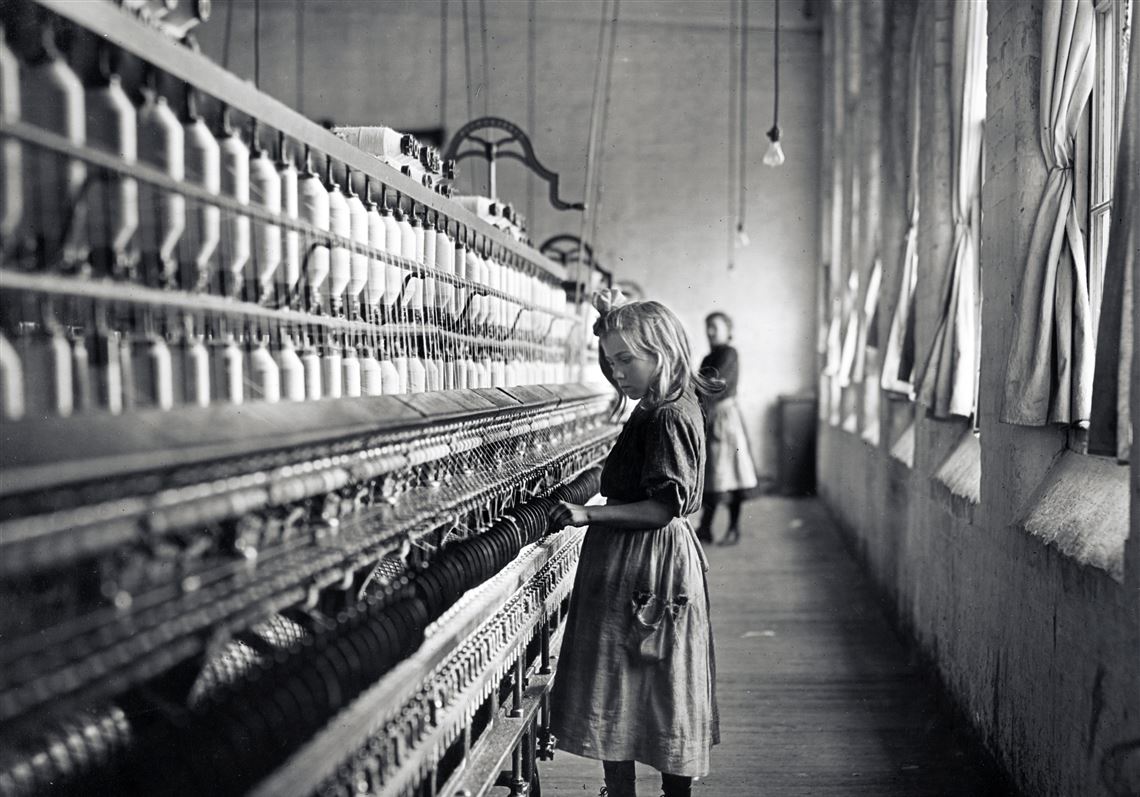
The most influential work of Lewis Hine was his documentation of child labour in industrial America. At the time, children were widely employed in factories, mines, and agricultural work, often in dangerous and exhausting conditions. These practices were socially accepted in many regions, making reform difficult to achieve without compelling evidence.
To expose these conditions, Lewis Hine travelled extensively, photographing children at work and recording detailed information about their ages, tasks, and environments. His method combined visual documentation with written observation, creating a powerful body of evidence. His images often showed children standing next to large machines, highlighting their vulnerability and the imbalance between human labour and industrial systems.
The work of Lewis Hine had a profound effect on public awareness and policy discussions. His photographs were used in campaigns advocating for labour reform and were instrumental in shifting public opinion. Over time, these efforts contributed to the introduction of stricter child labour laws. His work demonstrated that visual evidence could play a direct role in shaping legislation and improving social conditions.
Photographic Techniques and Visual Style
The photographic style developed by Lewis Hine was distinctive for its combination of realism and emotional depth. He carefully composed his images to emphasise scale, often placing human subjects within large industrial environments to highlight contrast. This technique helped viewers understand the physical and social pressures faced by workers, particularly children.
Lighting and composition were essential tools for Lewis Hine. He frequently used natural light to preserve authenticity, avoiding artificial effects that might distort reality. His compositions guided the viewer’s attention toward expressions, gestures, and working conditions, ensuring that each photograph communicated a clear narrative. This approach strengthened the documentary value of his work.
Another important aspect of the practice of Lewis Hine was his use of detailed captions. He believed that images alone could be misinterpreted, so he added contextual information such as names, ages, and working conditions. This combination of visual and textual data transformed his photographs into powerful investigative documents that could be used for research, advocacy, and education.
Impact on Social Reform and Public Awareness
The influence of Lewis Hine on social reform was both immediate and long-lasting. His photographs were widely circulated by reform organisations and used in exhibitions designed to educate the public about industrial exploitation. These visual campaigns played a significant role in changing attitudes toward child labour and worker protection.
The effectiveness of Lewis Hine can be understood in terms of emotional impact and credibility. His images did not rely on exaggeration or manipulation; instead, they presented reality in a way that was difficult to ignore. This authenticity helped build trust with audiences, making his work a powerful tool for advocacy. It also established new standards for ethical documentary photography.
The broader impact of Lewis Hine extended into educational and policy-making circles. His work influenced not only public opinion but also lawmakers who were responsible for regulating labour conditions. Over time, his photographs became part of historical records used to study industrialisation and social change, ensuring that his contribution remained relevant long after his era.
Later Career and Industrial Photography Development
In the later stages of his career, Lewis Hine shifted his focus from child labour to broader themes of industrial work and human achievement. As child labour laws improved, he began documenting adult workers and large-scale industrial projects. His aim was to continue exploring the relationship between humans and industrial systems.
One of the most notable projects of Lewis Hine during this period was his documentation of major construction efforts, including skyscrapers and infrastructure projects. These images captured workers performing physically demanding and dangerous tasks, often at great heights. The photographs highlighted both the progress of modern industry and the risks faced by labourers.
Despite his continued productivity, Lewis Hine faced financial and professional difficulties in his later years. His work was not always widely appreciated during his lifetime, and he struggled to secure stable recognition. Nevertheless, he remained committed to his vision of photography as a tool for social understanding and documentation.
Legacy and Modern Influence of Lewis Hine
The legacy of Lewis Hine is deeply embedded in the history of documentary photography and social reform. His approach to visual storytelling influenced generations of photographers who sought to document reality with honesty and purpose. His work is now considered foundational in the development of photojournalism.
The influence of Lewis Hine extends into modern discussions about ethics in photography. His emphasis on truth, context, and respect for subjects remains highly relevant in contemporary media practice. Photographers and journalists continue to study his methods to understand how visual media can responsibly represent social issues.
Today, the work of Lewis Hine is preserved in museums, archives, and educational institutions. His images are used to teach about industrial history, labour rights, and the power of visual communication. His legacy serves as a reminder of how one individual’s dedication to truth can influence society and contribute to lasting reform.
Conclusion: The Enduring Significance of Lewis Hine’s Contribution
The enduring importance of Lewis Hine lies in his ability to transform photography into a force for social change. His work went beyond documentation, becoming a catalyst for awareness, reform, and historical understanding. He demonstrated that images could carry moral weight and influence the direction of public policy.
The life and work of Lewis Hine continue to resonate because they address universal themes of dignity, labour, and justice. His photographs remain powerful reminders of the conditions that once existed and the importance of vigilance in protecting human rights. They also highlight the responsibility of visual storytellers to represent truth with care and integrity.
Ultimately, the legacy of Lewis Hine is not limited to history. It lives on in modern documentary practice, in educational discourse, and in the ongoing pursuit of social justice through visual media. His work stands as a testament to the idea that photography, when used with purpose and empathy, can help reshape society for the better.
You may also read: Family Life and Motherhood