 By Tech Nexify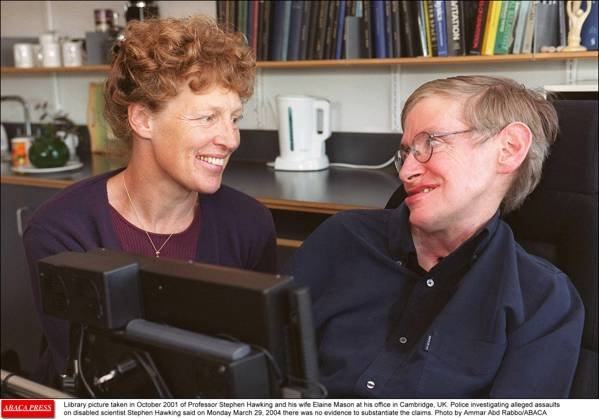
Elaine Mason became a recognised public figure largely because of her relationship with the world-famous physicist Stephen Hawking. Before her name appeared in newspapers and documentaries, she lived a comparatively private life and worked professionally within the healthcare sector. However, once her association with Hawking became public knowledge, the British media developed a strong interest in her personal background, career, and role within Hawking’s daily life. Over time, she became one of the most discussed individuals connected to the scientist’s personal story.
Public attention surrounding Elaine Mason increased significantly during the 1990s when Hawking separated from his first wife and later married Mason. At that time, Hawking was already celebrated internationally for his groundbreaking work in cosmology and theoretical physics. His immense popularity meant that journalists closely followed developments in his private life. As a result, Mason unexpectedly entered a world of media scrutiny that few private individuals ever experience. British newspapers regularly featured stories about the couple, often examining their relationship in dramatic and emotional detail.
Many people remain interested in Elaine Mason because she occupied a unique position beside one of the most influential scientific minds in modern history. Her role in Hawking’s personal and professional environment has continued to attract attention long after their marriage ended. Even today, discussions about Hawking’s life often mention Mason because her presence represented a major chapter in his later years. This ongoing curiosity has helped keep her name relevant in public conversations surrounding Hawking’s remarkable legacy.
Elaine Mason’s Early Life And Professional Career
Although Elaine Mason eventually became known internationally, much of her early life has remained private. Unlike celebrities who regularly share details about their upbringing, Mason rarely spoke publicly about her childhood or family background. This lack of information has created a degree of mystery around her life before becoming connected to Hawking. Readers searching for information about her often discover that very little official material exists regarding her formative years.
Professionally, Elaine Mason worked within the healthcare and nursing field. Her experience caring for individuals with serious medical conditions gave her the skills necessary to assist patients requiring specialised support. Nursing demands patience, discipline, emotional strength, and technical ability, particularly when dealing with progressive illnesses. Mason’s work brought her into contact with Hawking during a period when he increasingly relied upon trained carers due to the effects of motor neurone disease.
Working with Hawking was no ordinary medical assignment. His condition required constant attention, advanced communication support, and careful physical assistance. Mason became part of a dedicated team responsible for helping him maintain independence despite severe physical limitations. Her medical experience allowed her to understand the practical realities of Hawking’s daily challenges. Over time, their professional relationship gradually developed into a deeply personal connection that would later become widely discussed throughout Britain and beyond.
The Relationship Between Elaine Mason And Stephen Hawking
The relationship between Elaine Mason and Stephen Hawking became one of the most talked-about personal stories connected to the scientist’s life. Hawking had previously been married to Jane Wilde for many years, and together they built a family while coping with the enormous challenges posed by his illness. However, the pressures of fame, health complications, and emotional strain reportedly affected their marriage over time. During this difficult period, Mason became increasingly close to Hawking through her role within his care team.
As their relationship evolved, media attention intensified dramatically. Hawking’s separation from Jane Wilde attracted major newspaper coverage in Britain because the couple had long been viewed as inspirational figures. When Hawking later married Elaine Mason in 1995, public reactions were mixed. Some observers believed the relationship represented a natural development between two people who had formed a close emotional bond, while others viewed the situation with suspicion or sadness because of the impact upon Hawking’s family.
Despite the controversy, Hawking and Mason remained together for more than a decade. During their marriage, Mason frequently accompanied Hawking to events, public appearances, and international engagements. Their relationship existed under extraordinary public observation, with journalists analysing nearly every aspect of their lives. This intense scrutiny placed considerable pressure upon both individuals, especially given Hawking’s iconic status within science and popular culture.
Life Inside Stephen Hawking’s World
Living alongside Stephen Hawking meant existing within an environment unlike almost any other. Hawking’s global reputation ensured that he constantly attracted attention from academics, journalists, admirers, and media organisations around the world. Elaine Mason therefore became part of a highly unusual lifestyle shaped by scientific conferences, international travel, public lectures, and continuous media fascination. Everyday life involved balancing medical care with the demands of Hawking’s professional commitments.
Hawking’s physical condition required an extraordinary level of support. Motor neurone disease had progressively limited his mobility and speech, making him dependent upon advanced technology and personal assistance. Mason played an important role within this environment by helping manage practical aspects of his care. Individuals close to Hawking often described the demanding nature of his daily routine, which involved complex communication systems, medical equipment, and carefully organised assistance.
At the same time, Hawking remained intellectually active and socially engaged throughout these years. He continued writing books, attending scientific discussions, and participating in public debates despite severe physical limitations. Mason’s involvement in his life therefore extended beyond simple caregiving responsibilities. She became one of the individuals helping maintain the structure and support necessary for Hawking to continue his extraordinary career while coping with immense health challenges.
Media Attention And Public Controversy
Elaine Mason’s marriage to Stephen Hawking generated intense public interest, particularly within British tabloid newspapers. The media frequently portrayed their relationship in dramatic terms, often focusing upon emotional tensions connected to Hawking’s previous marriage and family circumstances. Because Hawking was regarded not merely as a scientist but as an inspirational public figure, journalists treated developments in his personal life as major news stories. Mason therefore became a subject of relentless media attention that continued for years.
During the early 2000s, controversy surrounding the couple increased following reports alleging possible mistreatment within the marriage. These allegations quickly spread across newspapers and television reports because of Hawking’s vulnerable physical condition. Stories discussing arguments, injuries, and police investigations attracted widespread international attention. The situation created significant public debate, with supporters and critics expressing sharply divided opinions regarding Mason’s role in Hawking’s life.
Despite sensational media coverage, no criminal charges were ever brought against Elaine Mason. Hawking himself publicly defended her on multiple occasions and dismissed many rumours surrounding their relationship. Nevertheless, the allegations left a lasting impact upon public perception. Even years later, discussions about Hawking’s personal history frequently revisit these controversies because they became deeply connected to public understanding of his later life and marriage.
Elaine Mason’s Influence On Public Discussions About Caregiving
One reason Elaine Mason continues to attract attention is because her story raises broader questions about caregiving, disability, and personal relationships. Caring for someone with a severe degenerative illness requires enormous emotional and physical commitment. Hawking’s condition demanded around-the-clock support, meaning the individuals closest to him carried significant responsibility. Mason’s involvement therefore became part of wider discussions about the pressures faced by carers and healthcare professionals.
The relationship also highlighted the emotional complexity that can emerge between patients and caregivers. In many situations involving long-term illness, close bonds naturally develop because carers become deeply involved in everyday life. Hawking and Mason’s relationship illustrated how personal and professional boundaries can evolve over time, especially within emotionally intense circumstances. This aspect of their story fascinated the public because it reflected issues many people could understand on a human level.
At the same time, the media attention surrounding Mason demonstrated how society often scrutinises women connected to powerful or famous men. Public perceptions of Mason were frequently shaped by speculation, rumours, and emotional narratives presented by newspapers. Some portrayed her as a devoted partner who supported Hawking during difficult years, while others criticised her role within his life. These contrasting portrayals reveal how media representation can strongly influence public judgement.
Elaine Mason In Documentaries And Popular Culture
The continuing popularity of books, documentaries, and films about Stephen Hawking has ensured that Elaine Mason remains part of public discussions surrounding his life. Productions exploring Hawking’s achievements often include references to his marriages because they form an important aspect of his personal journey. Audiences are naturally curious about the people closest to globally recognised figures, especially individuals whose relationships unfolded under intense public observation.
Biographical portrayals of Hawking frequently focus upon the emotional dimensions of his life alongside his scientific accomplishments. This means Mason’s role is often revisited when discussing Hawking’s later years. British audiences in particular remain interested in these stories because Hawking is considered one of the nation’s most respected intellectual figures. His personal experiences, relationships, and family life therefore continue to receive substantial attention in television programmes and written biographies.
Popular culture has also contributed to ongoing curiosity surrounding Elaine Mason because dramatic personal stories tend to remain memorable within public consciousness. The combination of scientific genius, physical disability, emotional conflict, and media controversy created a narrative that attracted widespread fascination. As new generations discover Hawking’s work through documentaries and educational content, interest in the people connected to his life naturally continues as well.
Life After Divorce And Public Withdrawal
Elaine Mason and Stephen Hawking divorced in 2006 after more than a decade of marriage. News of their separation received extensive media coverage because of the longstanding public interest surrounding their relationship. By that point, years of rumours, controversy, and media speculation had already shaped public perceptions of the couple. The divorce therefore marked the conclusion of a highly scrutinised chapter in Hawking’s personal life.
Following the divorce, Elaine Mason largely disappeared from public view. Unlike many individuals connected to famous personalities, she did not actively pursue media interviews, publicity opportunities, or celebrity status. Instead, she appeared to choose a quieter and more private existence away from newspapers and television cameras. This withdrawal from public life increased the sense of mystery surrounding her, particularly among readers interested in understanding what happened after the marriage ended.
Meanwhile, Hawking continued his scientific work and public appearances until his death in 2018. Discussions about his extraordinary achievements often continued mentioning his marriages because they formed part of his wider personal narrative. Even though Mason stepped away from public attention, her connection to Hawking ensured that interest in her life never completely disappeared. Her story remains closely tied to one of the most remarkable scientific figures of the modern era.
Why Elaine Mason Still Fascinates Readers
Elaine Mason continues to fascinate readers because her life became connected to themes far larger than celebrity gossip alone. Her story touches upon science, healthcare, caregiving, fame, personal sacrifice, emotional conflict, and public scrutiny. These themes resonate strongly with audiences because they involve deeply human experiences taking place under extraordinary circumstances. Few individuals suddenly find themselves linked to one of the world’s most recognised scientific icons.
Another reason for ongoing interest is the contrast between Mason’s private nature and the enormous publicity surrounding Hawking. People often become more curious about individuals who reveal little about themselves publicly. Because Mason rarely granted interviews or discussed her personal experiences in detail, much of the public understanding surrounding her has been shaped by external narratives rather than her own voice. This absence of personal commentary has contributed to continuing speculation and intrigue.
Ultimately, Elaine Mason remains remembered because she played a significant role during an important period in Stephen Hawking’s life. Whether viewed sympathetically or critically, her presence within Hawking’s personal story cannot be ignored. Discussions about Hawking’s achievements and relationships continue to appear in books, documentaries, and online articles, ensuring that Elaine Mason’s name remains part of the broader conversation surrounding one of Britain’s greatest scientific minds.
You may also read: Family Life and Parenthood