 By Tech Nexify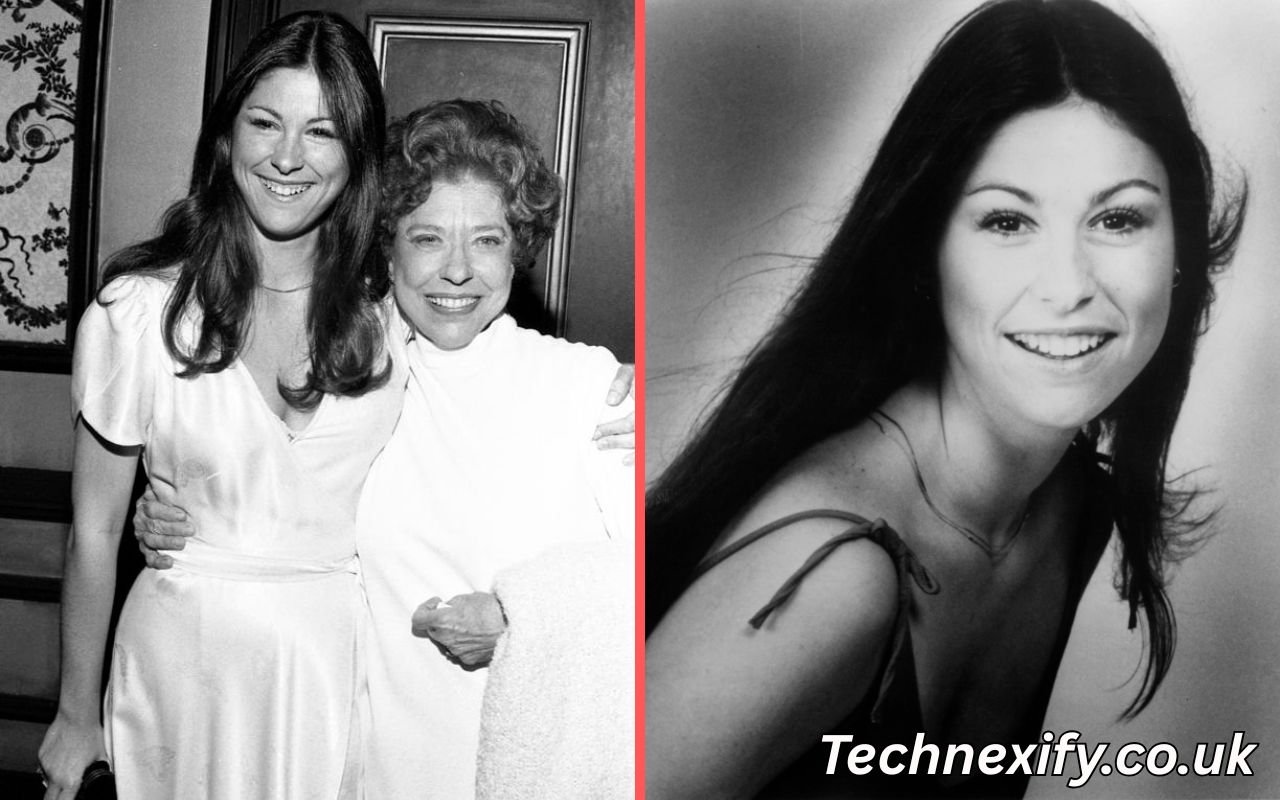
Diana Canova is an American actress, singer, and educator whose long-standing contribution to television and performing arts has made her a recognised name in entertainment history. She became widely known during the late 1970s for her standout performance in the television comedy series Soap, where she demonstrated both comedic timing and emotional depth. Over time, her career evolved beyond acting into teaching and directing, making her influence extend far beyond the screen.
The story of Diana Canova is not just about television fame but also about artistic heritage, discipline, and long-term dedication to the performing arts. Coming from a family deeply rooted in entertainment, she developed her creative identity early in life and built a career that spanned acting, music, and education. Her journey reflects both the glamour and the challenges of sustaining a life in the entertainment industry.
In modern discussions of classic American television, Diana Canova continues to be remembered as a versatile performer who successfully balanced screen acting with stage work and later academic contribution. Her career demonstrates how artistic talent can evolve into mentorship, shaping future generations of performers through experience and knowledge.
Early Life and Background of Diana Canova
Diana Canova was born on 1 June 1953 in West Palm Beach, Florida, into a family already connected to the world of performance. Her mother, Judy Canova, was a well-known entertainer in radio, film, and television, which meant Diana was exposed to the entertainment industry from a very early age. This environment played a crucial role in shaping her artistic instincts and career direction.
Growing up, Diana Canova experienced a blend of cultural and artistic influences that contributed to her development as a performer. Her father, Filberto Rivero, was a musician, which added another layer of artistic exposure in her household. This combination of music and acting within her family created a natural foundation for her future interests in performance.
From childhood, she showed an interest in acting and music, often observing the professional world of entertainment through her mother’s career. This early exposure gave Diana Canova an understanding of stage presence, audience engagement, and the discipline required in show business, all of which later became essential in her own professional journey.
Family Influence and Childhood Development
The influence of Diana Canova’s family cannot be overstated when examining her career path. Growing up as the daughter of Judy Canova meant she was surrounded by storytelling, performance rehearsals, and creative discussions. This environment allowed her to develop confidence and familiarity with the entertainment world from a young age.
Her childhood was shaped not only by exposure to performance but also by the expectations that come with being part of a recognised entertainment family. Diana Canova learned early that success in the industry required persistence, adaptability, and continuous improvement. These lessons became central to her approach to acting later in life.
By the time she reached adolescence, she had already developed a strong sense of direction regarding her future. Her upbringing gave her both inspiration and discipline, which helped her transition smoothly into formal training and eventually into professional acting opportunities.
Education and Early Artistic Training

Diana Canova attended Hollywood High School, an institution known for nurturing creative talent in the arts. During her time there, she participated in performance-related activities that allowed her to explore acting in a structured environment. This period helped her refine her natural abilities and gain confidence on stage.
After completing her early education, she continued her studies at Los Angeles City College, where she focused on acting and performance techniques. This academic training provided her with a deeper understanding of voice control, character development, and stage movement. Diana Canova began to shape her artistic identity more clearly during this stage.
Her education played a critical role in bridging the gap between natural talent and professional capability. By combining her family influence with formal training, she was able to build a strong foundation that prepared her for the competitive world of television acting.
Entry into Acting Career
Diana Canova began her professional acting career in the mid-1970s, marking the start of a long and diverse journey in television and film. Her early roles included guest appearances in popular television shows, where she gained valuable on-set experience and exposure to industry standards.
One of her earliest appearances was in Happy Days, where she took on a guest role that introduced her to a wider television audience. These early opportunities were important stepping stones that helped her develop screen confidence and industry recognition.
During this period, Diana Canova also appeared in various small film and television projects that allowed her to experiment with different acting styles. These experiences contributed to her growth as a performer and prepared her for more significant roles in the years that followed.
Breakthrough with Soap
The defining moment in Diana Canova’s career came when she was cast as Corinne Tate in the television series Soap. This show became a major success due to its unique blend of satire and comedy, and her role quickly became one of its most memorable characters.
Her performance in Soap showcased her ability to balance humour with emotional storytelling. Diana Canova brought depth to her character, making Corinne Tate both relatable and entertaining. This role significantly increased her popularity and established her as a recognised television actress.
The success of Soap not only elevated her career but also opened new opportunities in the entertainment industry. It remains one of the most important milestones in the professional life of Diana Canova and continues to be referenced when discussing her contributions to television history.
Television Career Expansion
After her success in Soap, Diana Canova continued to build a strong presence in television throughout the 1980s. She appeared in a variety of sitcoms and drama series, demonstrating her ability to adapt to different genres and roles.
One of her notable projects during this period was the sitcom Throb, where she played a leading role. This series allowed her to further showcase her comedic timing and acting versatility. Although the show had a relatively short run, it added to her growing list of television credits.
Diana Canova also made guest appearances in well-known shows such as Murder, She Wrote, where she contributed to episodic storytelling. These roles reinforced her reputation as a reliable and skilled actress capable of handling a wide range of characters.
Film and Theatre Work
In addition to her television career, Diana Canova also explored film and theatre. She appeared in The First Nudie Musical, a comedy film that combined humour with musical performance. This project highlighted her ability to integrate acting with singing.
Her theatre work allowed her to engage with live audiences, further strengthening her performance skills. Stage acting required a different level of energy and presence, and Diana Canova adapted successfully to this environment. Her theatre experience added depth to her artistic portfolio.
Through her involvement in both film and theatre, she demonstrated versatility that extended beyond television. This multi-platform career helped establish her as a well-rounded performer in the entertainment industry.
Musical Abilities and Performance Style
Diana Canova’s artistic talents were not limited to acting alone. She also possessed strong musical abilities, influenced by her family background and personal training. Her singing skills were often incorporated into her performances, particularly in musical theatre and television roles.
Her performance style combined expressive acting with musical interpretation, allowing her to bring a unique dimension to her characters. Diana Canova’s ability to transition between spoken dialogue and song made her a valuable performer in productions that required both skills.
Music remained an important part of her creative identity throughout her career. Even when she shifted towards education, her musical background continued to influence her teaching and directing approach.
Teaching and Education Career
In the later stages of her career, Diana Canova transitioned into education, becoming a respected voice and acting instructor. She began teaching at academic institutions where she shared her professional experience with aspiring performers.
Her role as an educator allowed her to influence a new generation of students interested in theatre and performance. Diana Canova focused on developing practical skills such as voice control, stage presence, and emotional expression in acting.
She also became involved in directing school theatre productions, helping students gain real-world performance experience. Her work in education demonstrated her commitment to the arts beyond personal fame and highlighted her dedication to nurturing talent.
Personal Life of Diana Canova
Diana Canova has maintained a relatively private personal life compared to many public figures in the entertainment industry. She was married to musician Geoff Levin in the late 1970s before later marrying music producer Elliot Scheiner in 1985.
Her family life includes raising children while balancing professional commitments in acting and education. Diana Canova has often been described as someone who values stability and creativity in both her personal and professional life.
Despite her public career, she has managed to maintain a balance between privacy and professional visibility, allowing her to focus on meaningful long-term contributions rather than constant media attention.
Legacy and Cultural Influence of Diana Canova
The legacy of Diana Canova is built on her diverse contributions to television, film, theatre, and education. Her role in Soap remains one of the defining performances of late 20th-century American television comedy, and it continues to be appreciated by audiences and critics.
Her transition from acting to education has also left a lasting impact. By mentoring students and guiding theatre programmes, she has helped shape future performers and ensured that her knowledge continues to influence the performing arts community.
Diana Canova represents a generation of artists who successfully adapted to changing roles within the entertainment industry. Her career stands as an example of artistic evolution, where success is measured not only by fame but also by long-term contribution and influence.
Conclusion
Diana Canova’s life and career reflect a journey of talent, dedication, and continuous growth. From her early beginnings in a creative household to her success on American television, she built a strong foundation as a versatile performer.
Her work in Soap and other television productions established her place in entertainment history, while her later contributions to education extended her influence beyond the screen. Diana Canova remains an important figure in discussions of television history and performing arts development.
Her story highlights the importance of adaptability, lifelong learning, and artistic passion. Through acting, music, and teaching, Diana Canova has created a legacy that continues to inspire both audiences and aspiring performers.
You may also read: Linguistic Interpretation and Structural Analysis