 By Tech Nexify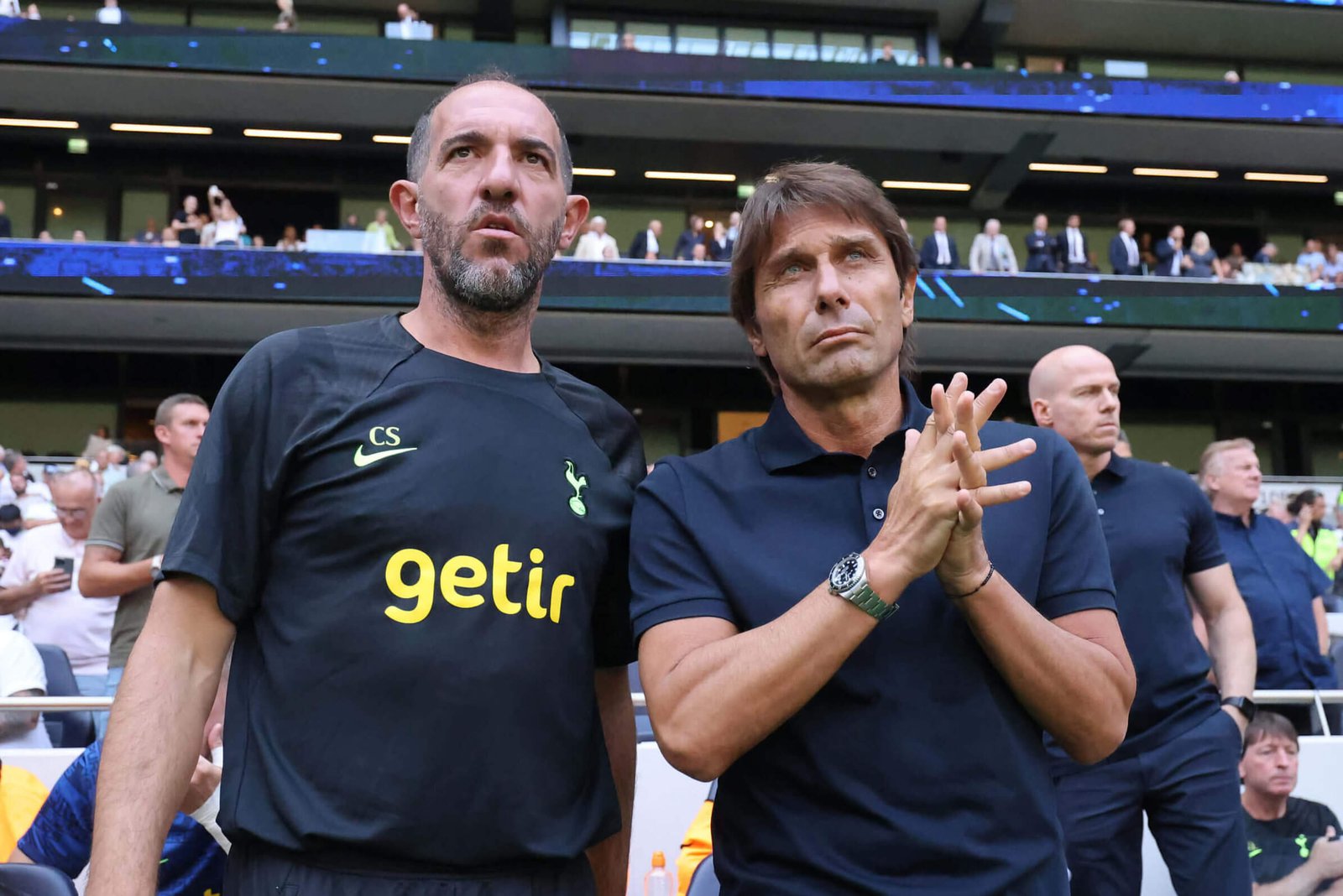
Cristian Stellini is a figure whose name has become increasingly familiar within European football discussions, particularly in relation to elite coaching structures and tactical organisation at the highest level of the game. Although not always in the spotlight as a head coach, his influence behind the scenes has been significant, especially through his long-term collaboration with Antonio Conte and his involvement in top-tier clubs competing in domestic leagues and European competitions.
In modern football, assistant coaches and tactical specialists play a crucial role in shaping a team’s identity, training intensity, match preparation, and in-game adaptability. Cristian Stellini fits into this evolving profile of football professionals who operate as strategic architects within coaching teams rather than solely as traditional managers. His career reflects the increasing importance of structured defensive organisation, disciplined tactical execution, and cohesive team systems that define elite football today.
Understanding Stellini’s journey provides valuable insight into how modern coaching staffs operate, particularly in clubs within the English Premier League and Serie A, where tactical precision and adaptability are essential for success. His progression from a professional player in Italy to a trusted assistant coach at some of Europe’s biggest clubs demonstrates both consistency and deep tactical understanding.
Early Football Journey and Playing Career Foundations
Cristian Stellini’s football background began in Italy, where the tactical discipline of the domestic game has long been a defining characteristic. Italian football has historically emphasised defensive structure, intelligent positioning, and collective organisation over individual expression, and these foundations strongly influenced Stellini’s development.
During his playing career, Stellini operated primarily as a defender. This role naturally required a strong understanding of positioning, spatial awareness, and game reading. Defenders in Italian football are often trained to think several steps ahead, anticipating opposition movements and maintaining structural integrity across the back line. These early experiences played a crucial role in shaping his later transition into coaching.
While Stellini did not achieve global recognition as a player in the same way as some of his contemporaries, his career in Italian football provided him with a solid tactical education. He experienced the demands of professional football in environments where defensive discipline and team structure were prioritised. This foundation would later become central to his coaching identity, especially in high-pressure roles where organisation and defensive stability are essential.
Transition from Player to Coach and Tactical Development
The shift from playing to coaching is often a defining moment in a football professional’s career, and for Cristian Stellini, this transition marked the beginning of a new phase focused on tactical analysis and team management. His understanding of defensive systems and match dynamics made him well suited to coaching roles that required attention to detail and structured planning.
In coaching, Stellini developed a reputation for being methodical, calm under pressure, and highly analytical. These traits are essential in modern football environments where marginal gains often determine success or failure. His ability to interpret matches from a tactical perspective allowed him to contribute effectively to coaching teams working at elite levels.
A key aspect of his coaching evolution has been his alignment with managers who prioritise tactical discipline and structured systems. This alignment eventually led to his long-standing professional relationship with Antonio Conte, a manager known for his intense tactical frameworks and high demands on player organisation and fitness levels.
Influence of Antonio Conte and Tactical Philosophy Alignment
Cristian Stellini’s coaching identity has been strongly shaped by his collaboration with Antonio Conte. Working alongside a manager with a distinct and demanding tactical philosophy has allowed Stellini to refine his understanding of structured systems, particularly those based on defensive solidity and rapid transitions.
Conte’s tactical approach often relies on a well-drilled defensive line, aggressive pressing in specific phases of play, and efficient attacking transitions. Within this framework, assistant coaches play a vital role in communicating tactical instructions, analysing opposition behaviour, and ensuring that players understand positional responsibilities.
Stellini’s contribution in these environments has often been associated with detailed preparation and training ground implementation. His ability to translate tactical concepts into practical exercises helps bridge the gap between managerial vision and player execution. This is particularly important in leagues such as the English Premier League, where the speed and physical intensity of matches demand clear and immediate tactical understanding.
The partnership between Conte and Stellini demonstrates how modern coaching teams function as collaborative units rather than hierarchical structures. Stellini’s role has consistently supported the overall tactical system, ensuring stability and consistency even during periods of fixture congestion or squad rotation.
Role at Inter Milan and Tactical Evolution in Serie A
Before his move into English football, Stellini gained valuable experience in Italy’s Serie A, including roles at clubs where tactical discipline and defensive organisation are paramount. Italian football provided an environment where his analytical strengths could be fully utilised, particularly in preparing teams for highly strategic matches.
At clubs like Inter Milan, coaching staff are expected to operate at an elite tactical level due to the competitive nature of the league and the historical emphasis on defensive excellence. Stellini’s involvement in such environments helped refine his ability to work under pressure while maintaining a focus on structural organisation.
Serie A football is known for its tactical depth, where managers and coaches often engage in complex systems involving defensive blocks, midfield control, and carefully timed attacking movements. Within this context, Stellini’s experience contributed to his growing reputation as a reliable tactical thinker capable of supporting high-level managerial structures.
Move to the English Premier League and Adaptation to UK Football
The transition to the English Premier League marked a significant step in Stellini’s coaching career. English football presents a different set of challenges compared to Serie A, including higher tempo matches, greater physical intensity, and a more direct style of play in many fixtures.
Working in the UK football environment requires adaptability and strong communication skills, particularly when managing squads with diverse international players. Stellini’s role in this context involved ensuring tactical clarity and maintaining the structural discipline required to compete at the highest level.
The Premier League also demands rapid decision-making during matches due to its fast-paced nature. Assistant coaches like Stellini are often responsible for observing tactical shifts, communicating adjustments to the manager, and ensuring players remain aligned with the game plan.
His time in England further enhanced his understanding of how different football cultures approach the game. The blend of Italian tactical discipline with English intensity created a unique coaching experience that broadened his professional perspective.
Interim Managerial Responsibility and Leadership Pressure
One of the most challenging aspects of Stellini’s career came when he assumed interim managerial responsibilities. Stepping into a head coach role, even temporarily, requires not only tactical knowledge but also leadership presence, emotional control, and the ability to manage media attention and player expectations simultaneously.
During such periods, Stellini was required to transition from a supportive tactical role into a decision-making leadership position. This shift highlights the versatility required of modern coaches, particularly in elite clubs where managerial changes can occur mid-season.
Interim management situations are often high-pressure environments where results are critical. In these moments, coaching philosophy, squad management, and tactical stability all come under scrutiny. Stellini’s experience as an assistant coach provided him with the technical foundation necessary to manage these responsibilities, even in challenging circumstances.
Tactical Identity and Defensive Organisation Principles
A defining characteristic of Stellini’s coaching profile is his emphasis on defensive organisation. His background as a defender naturally informs his tactical approach, with a strong focus on maintaining structure, compactness, and positional discipline.
Modern football requires teams to balance defensive solidity with attacking creativity, and Stellini’s coaching methods often reflect this balance. Defensive organisation is not simply about preventing goals but also about controlling space, limiting opposition progression, and creating platforms for structured attacking transitions.
His tactical philosophy aligns with systems that prioritise shape retention, coordinated pressing, and disciplined midfield support. These principles are particularly important in high-level competitions where small tactical errors can lead to significant consequences.
In training environments, such approaches often involve detailed positional work, scenario-based drills, and repetition of tactical patterns. Stellini’s role in implementing these concepts ensures that players understand not only their individual responsibilities but also their collective role within the system.
Leadership Style and Communication Approach
Stellini’s leadership style is often described as composed and analytical rather than overly expressive. In modern football coaching, communication is a key factor in ensuring tactical clarity and maintaining squad cohesion.
His approach tends to focus on detailed instruction and structured feedback. This is particularly important when working within elite squads where players must quickly adapt to tactical instructions during training sessions and matches.
The ability to communicate effectively across different cultural and linguistic backgrounds is also essential in international football environments. Stellini’s experience in Italy and England has required him to adapt his communication style to suit diverse squads, ensuring that tactical concepts are clearly understood regardless of background.
Contribution to Modern Coaching Structures
Modern football clubs increasingly rely on extensive coaching teams rather than single managerial figures. Within this structure, assistant coaches like Stellini play a vital role in supporting tactical preparation, opposition analysis, and player development.
His career illustrates the importance of specialised coaching roles in elite football. Rather than being confined to traditional managerial responsibilities, modern coaches often operate as part of integrated systems where each staff member contributes specific expertise.
Stellini’s contribution lies primarily in tactical organisation and defensive structuring, areas that are fundamental to team success. His work supports the broader vision of head coaches while ensuring that tactical execution remains consistent on the pitch.
Challenges and Pressures in Elite Football Coaching
Working in elite football environments brings constant pressure, particularly in leagues such as the Premier League where expectations are extremely high. Coaching staff are regularly evaluated based on results, performance consistency, and tactical effectiveness.
Stellini’s career has included periods of both success and scrutiny, reflecting the volatile nature of professional football. Assistant coaches often share responsibility for team performance, even though their roles are less visible to the public.
Managing pressure in such environments requires resilience, adaptability, and a strong understanding of football dynamics. Stellini’s continued presence in top-level coaching suggests a capacity to operate effectively within these demanding conditions.
Evolution of Tactical Thinking in His Career
Over time, Stellini’s tactical understanding has evolved alongside changes in modern football. The game has become faster, more data-driven, and more tactically complex, requiring coaches to continuously adapt their methods.
His experience across different leagues has contributed to a more holistic understanding of football systems. Exposure to both Italian and English football has allowed him to integrate different tactical philosophies, blending structured defensive organisation with more dynamic and high-tempo approaches.
This evolution reflects the broader transformation of coaching in modern football, where adaptability and continuous learning are essential for long-term success.
Conclusion: Cristian Stellini’s Place in Modern Football Coaching
Cristian Stellini represents the modern evolution of football coaching, where tactical intelligence, structural discipline, and collaborative teamwork define success at the highest level. His journey from professional player in Italy to a trusted assistant coach in elite European football highlights the importance of experience, adaptability, and tactical understanding in shaping a coaching career.
Cristian Stellini has built a professional identity rooted in defensive organisation, strategic preparation, and consistent support within elite coaching teams. His influence may often operate behind the scenes, but its impact is visible in the structure, discipline, and tactical clarity of the teams he has worked with.
In modern football, where margins are thin and tactical precision is essential, professionals like Stellini play a crucial role in bridging managerial vision and on-pitch execution. His career reflects not only personal development but also the broader evolution of football coaching into a highly specialised and collaborative profession.
You may also read: Early Life and Background of Oracene Price