 By Tech Nexify
 Addison O’Dea is widely recognised as a documentary filmmaker, explorer, and visual storyteller whose work focuses on human cultures, remote environments, and deeply immersive narratives. His name, Addison O’Dea, is often associated with high-quality documentary production that blends cinematic storytelling with anthropological curiosity. Over the years, Addison O’Dea has developed a distinctive voice in the world of non-fiction media, creating content that explores the boundaries between modern civilisation and ancient traditions.
The career of Addison O’Dea stands out in the contemporary media landscape because of his commitment to authenticity and depth. Rather than focusing on surface-level storytelling, Addison O’Dea often engages with communities, environments, and histories that are rarely seen in mainstream productions. This approach has made Addison O’Dea an influential figure among documentary enthusiasts and cultural researchers who value meaningful storytelling over commercial spectacle.
In recent years, Addison O’Dea has become increasingly relevant as global audiences show greater interest in documentaries that reflect cultural diversity and environmental awareness. His work resonates strongly with viewers in the UK and beyond, particularly those who appreciate thoughtful, visually rich narratives that encourage reflection on human identity and global interconnectedness.
Early Life and Background of Addison O’Dea
The early life of Addison O’Dea plays an important role in understanding the foundations of his creative vision. From a young age, Addison O’Dea demonstrated curiosity about the world, particularly in relation to human cultures and geographical diversity. This curiosity later developed into a professional passion for documentary filmmaking and exploration. Addison O’Dea’s upbringing encouraged him to observe the world with attention to detail, a trait that would later define his cinematic style.
Addison O’Dea’s formative years were shaped by exposure to storytelling, travel, and visual arts. These influences contributed to his understanding of narrative structure and visual communication. As Addison O’Dea grew older, he began to combine his interest in storytelling with a desire to document real-world experiences. This combination eventually led Addison O’Dea toward a career in documentary filmmaking, where he could merge artistic expression with factual exploration.
Education also played a role in shaping Addison O’Dea’s perspective. While specific academic details are often less emphasised in public discussions, it is widely understood that Addison O’Dea developed skills in media production, research, and cultural analysis over time. These skills helped Addison O’Dea build a strong foundation for his later work in international documentary production, where understanding context and nuance is essential.
Career Beginnings and Entry into Documentary Filmmaking
The early career of Addison O’Dea was marked by experimentation and exploration within the media industry. Addison O’Dea began by engaging with smaller creative projects that allowed him to develop technical skills in filming, editing, and storytelling. These early experiences were crucial in shaping the professional identity of Addison O’Dea, as they provided a practical understanding of how visual narratives are constructed.
As Addison O’Dea progressed in his career, he became increasingly involved in documentary production that focused on cultural and environmental themes. This shift allowed Addison O’Dea to refine his approach to storytelling, focusing on immersive and observational techniques. Rather than relying on scripted narratives, Addison O’Dea developed a style that prioritised real-life experiences and authentic human interaction.
During this phase, Addison O’Dea also built collaborations with production teams and media organisations that shared his interest in documentary storytelling. These partnerships enabled Addison O’Dea to work on larger projects with broader audiences, expanding his influence in the global documentary scene. His early career thus represents a period of growth, learning, and increasing recognition within the industry.
Major Works and Documentary Contributions by Addison O’Dea
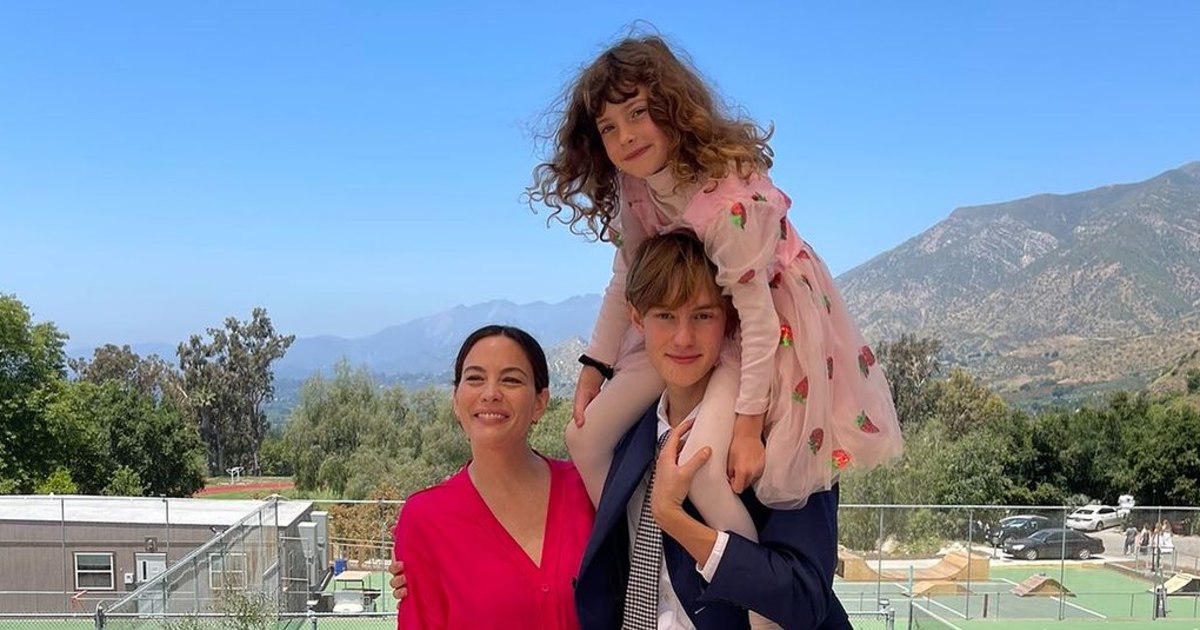
Addison O’Dea has contributed to a range of documentary projects that explore diverse themes such as indigenous cultures, environmental change, and human resilience. His work often takes viewers into remote and lesser-known regions of the world, offering perspectives that are rarely represented in mainstream media. Through these documentaries, Addison O’Dea has built a reputation for capturing authentic and powerful human stories.
One of the defining characteristics of Addison O’Dea’s work is his ability to immerse himself in the environments he documents. Whether exploring ancient traditions or modern challenges, Addison O’Dea ensures that his storytelling reflects lived experiences rather than external interpretations. This immersive approach allows Addison O’Dea to create documentaries that feel intimate and emotionally engaging.
In addition to cultural exploration, Addison O’Dea’s documentaries often address broader global issues such as climate change, sustainability, and social transformation. By integrating these themes into his storytelling, Addison O’Dea encourages audiences to reflect on the interconnectedness of human societies and natural ecosystems. His work is not only informative but also thought-provoking, making Addison O’Dea an important voice in contemporary documentary filmmaking.
Filmmaking Style and Creative Vision of Addison O’Dea
The filmmaking style of Addison O’Dea is defined by its cinematic realism and narrative depth. Addison O’Dea often uses natural lighting, handheld camera techniques, and observational storytelling to create a sense of authenticity. This style allows viewers to feel as though they are experiencing the journey alongside him, rather than simply watching from a distance.
A key element of Addison O’Dea’s creative vision is his focus on human connection. Across his body of work, Addison O’Dea consistently highlights the relationships between individuals, communities, and their environments. This emphasis on connection gives his documentaries a universal appeal, as audiences can relate to the emotional and cultural themes presented.
Addison O’Dea also places strong importance on visual storytelling. His background in cinematography enables him to capture striking imagery that enhances the narrative impact of his documentaries. Through careful composition and attention to detail, Addison O’Dea transforms real-world scenes into visually compelling stories that resonate with viewers on both intellectual and emotional levels.
Impact of Addison O’Dea on Documentary Film Industry
The influence of Addison O’Dea on the documentary film industry can be seen in the growing popularity of immersive and culturally focused storytelling. Addison O’Dea has contributed to a shift in how documentaries are produced, encouraging filmmakers to prioritise authenticity and depth over sensationalism. This approach has inspired many emerging creators in the UK and internationally.
Addison O’Dea’s work has also contributed to increased awareness of underrepresented cultures and environmental issues. By bringing attention to communities and regions that are often overlooked, Addison O’Dea has helped expand the scope of documentary storytelling. His contributions demonstrate the power of media to educate and inform global audiences.
Furthermore, Addison O’Dea has played a role in bridging the gap between traditional documentary filmmaking and modern digital platforms. As audiences increasingly consume content through streaming services and online media, Addison O’Dea’s work remains relevant by adapting to new formats while maintaining narrative integrity. This adaptability highlights the continued importance of Addison O’Dea in the evolving media landscape.
Public Recognition and Professional Collaborations of Addison O’Dea
Over the course of his career, Addison O’Dea has gained recognition within the documentary and filmmaking community for his dedication to authentic storytelling. His work has been appreciated by audiences who value cultural depth and visual storytelling. Addison O’Dea’s reputation continues to grow as his documentaries reach wider international audiences.
Collaboration has also been an important aspect of Addison O’Dea’s professional journey. Working with producers, researchers, and fellow filmmakers, Addison O’Dea has been able to expand the scope of his projects. These collaborations have allowed Addison O’Dea to explore new perspectives and enhance the quality of his storytelling.
In addition, Addison O’Dea’s partnerships with media organisations have contributed to the distribution and visibility of his documentaries. Through these collaborations, Addison O’Dea has been able to share his work with diverse audiences, further strengthening his impact within the industry.
Challenges and Achievements in the Career of Addison O’Dea
Like many documentary filmmakers, Addison O’Dea has faced challenges related to production logistics, travel constraints, and cultural accessibility. Working in remote locations often requires careful planning and adaptability. Addison O’Dea has consistently demonstrated resilience in overcoming these challenges to deliver high-quality documentary content.
Despite these difficulties, Addison O’Dea has achieved significant success in building a respected career in documentary filmmaking. His ability to capture authentic stories in complex environments is one of his most notable achievements. Addison O’Dea’s dedication to his craft has earned him recognition among peers and audiences alike.
Another major achievement of Addison O’Dea is his contribution to raising awareness about global cultural diversity. Through his documentaries, Addison O’Dea has helped audiences gain a deeper understanding of different ways of life. This educational impact is one of the most valuable aspects of his work.
Addison O’Dea in the Modern Media Landscape
In today’s rapidly evolving media environment, Addison O’Dea continues to remain relevant through his commitment to meaningful storytelling. As digital platforms expand, Addison O’Dea’s work reaches increasingly diverse audiences across the world. His documentaries align well with modern viewers who seek content that is both visually engaging and intellectually enriching.
Addison O’Dea’s approach to storytelling also reflects broader trends in documentary filmmaking, where authenticity and cultural awareness are highly valued. His ability to adapt to changing audience expectations ensures that Addison O’Dea remains an influential figure in the industry.
Furthermore, Addison O’Dea’s continued exploration of global themes positions him as a storyteller who bridges cultural gaps. His work encourages viewers to think beyond their immediate surroundings and consider broader global perspectives. This makes Addison O’Dea an important contributor to contemporary media discourse.
Conclusion: The Lasting Legacy of Addison O’Dea
The career of Addison O’Dea represents a powerful example of how documentary filmmaking can be used to explore culture, identity, and the human experience. Through his dedication to immersive storytelling, Addison O’Dea has created a body of work that continues to inspire both audiences and fellow filmmakers.
Addison O’Dea’s legacy lies in his ability to bring distant worlds closer to viewers, offering insights into cultures and environments that might otherwise remain unseen. His commitment to authenticity and depth ensures that Addison O’Dea’s work remains relevant in an ever-changing media landscape.
As documentary filmmaking continues to evolve, Addison O’Dea stands as a reminder of the importance of meaningful storytelling. His contributions highlight the power of visual media to educate, inspire, and connect people across the globe, securing Addison O’Dea’s place as a significant figure in modern documentary history.
You may also read: Childhood and Upbringing of Milo William Langdon